
Starting rehab is challenging enough. Finding the best rehab programs in New Jersey for your needs can feel overwhelming, Yet, the right drug addcition treatment makes all the difference in a successful recovery.

There are various factors to look for when choosing a treatment facility, including the services offered, the environment, and the continuum of care. It’s also vital to ensure the care team offers a compassionate approach, often rooted in real-life experience. Blue Crest offers staff who know the ins and outs of rehab because we have been there and survived it.
This article offers a real-world perspective on what to look for when you need help with drug and alcohol addiction.
What to Look for In New Jersey Addiction Treatment Services
Licensing and Accreditation
Licensing from the New Jersey Division of Mental Health and Addiction Services means facilities meet the baseline standards to operate. Accreditation is the icing on the cake.
Organizations such as the Joint Commission and CARF (Commission on Accreditation of Rehabilitation Facilities) conduct in-depth studies and regular reviews of treatment programs, ensuring that care is delivered by trained professionals, evidence-based therapies are integrated, patients are safe and outcomes are successful.
Individualized Evidence-Based Therapies
Various therapies are proven to help clients overcome mental health issues that often contribute to substance abuse. Popular methodologies include:
- Cognitive Behavioral Therapy (CBT): Identifies and addresses negative thought processes that may contribute to addiction and teaches clients healthy coping strategies.
- Dialectical Behavioral Therapy (DBT): Takes a mindful approach to emotional regulation.
- Motivational Interviewing (MI): Encourages patients to assess the pros and cons of substance abuse and moves them from ambivalence.
- Contingency Management: Rewards patients for small successes in the recovery process, substituting drugs to activate the brain’s reward center.
- Family Therapy: Families are often brought into therapy sessions to address enabling and codependent behavior that may contribute to addiction and ensure they provide a supportive environment for their loved one.
- Medical Detox: Medication-assisted treatment involves 24/7 supervision by medical staff to safely manage withdrawal symptoms. It is often used alongside therapy to improve treatment success rates.
- Holistic Therapy: Rehabilitation programs in New Jersey include a range of therapies such as mindfulness, yoga, and art therapy to promote overall wellness alongside traditional methods.
At BlueCrest, we have learned that a one-size-fits-all approach just isn’t going to cut it. While each therapy has specific guidelines, we customize them to clients’ needs, considering their lifestyles and goals.
Levels of Care
The best facilities will offer a step-down approach, guiding clients through the recovery process. BlueCrest specializes in outpatient programs, often considered the first level of care for addiction, allowing individuals to attend therapy sessions while continuing to live at home and maintain their daily responsabilities. Here’s how it typically looks in a clinical setting.
- Partial Care: Formerly known as Partial Hospitalization Programs (PHP), this primary form of care offers structured day treatment, typically 5 days a week, with a high-intensity approach while allowing clients to return home in the evenings.
- The Intensive Outpatient Program (IOP) focuses on early recovery skills and relapse prevention, offering structured therapy several hours a week.
- Outpatient Programs: At this stage, clients will continue seeing a therapist once a week or as needed as they adjust to everyday life.
- Aftercare: A compassionate treatment center like BlueCrest understands that the challenges of returning to work after rehab and integrating into everyday life can be triggering. Our team offers comprehensive aftercare, including alumni networks for support and referrals to community services.
Dual Diagnosis for Co-Occurring Disorders
Addiction is often tied to mental health issues. People use drugs and alcohol to self-medicate anxiety, depression, and other emotional issues. While substances may provide temporary relief, they often take patients on a downward spiral, adding disorders to existing mental health conditions.
Dual Diagnosis Programs treat co-ocurring disorders, addressing both mental health conditions and substance use simultaneously for a more stable recovery. Evidence-based therapies are often integrated to target the underlying cause of addiction. Clients learn coping strategies so they can deal with their emotions without relying on drugs and alcohol.
Affordability
Substance abuse treatment is necessary in helping people achieve a higher quality of life, but costs are often a factor. According to Drug Abuse Statistics, the average cost of outpatient treatment in New Jersey dedicated rehab centers is approximately $1,701, while residential or inpatient treatment can cost up to around $56,570 per person. That’s more than many people can afford.
Fortunately, CarePlusNJ shows that over 65% of addiction treatment centers in New Jersey accept various private health insurance coverage, while approximately 60% accept Medicaid. BlueCrest works with most health insurance providers and offers payment plans to those struggling to cover the costs. However, we understand that there are several uninsured individuals who can’t even afford care on a payment plan.
We never let someone go without the help they need. Even if you’re flat broke, we will help you find a solution.
What to Look For at a Glance
| What to Look for | Why It Matters |
| DMHAS Licensing & Accreditation | Ensures the facility meets state standards and delivers quality, evidence-based care |
| Individualized Therapies | Addresses the root causes of addiction with approaches tailored to your needs |
| Levels of Care | A step-down model supports long-term recovery, not just short-term sobriety |
| Dual Diagnosis Treatment | Treats co-occurring mental health conditions alongside addiction |
| Affordability & Insurance Support | Removes financial barriers so cost doesn’t stand in the way of getting help |
What to Look for In a New Jersey Drug Treatment Center
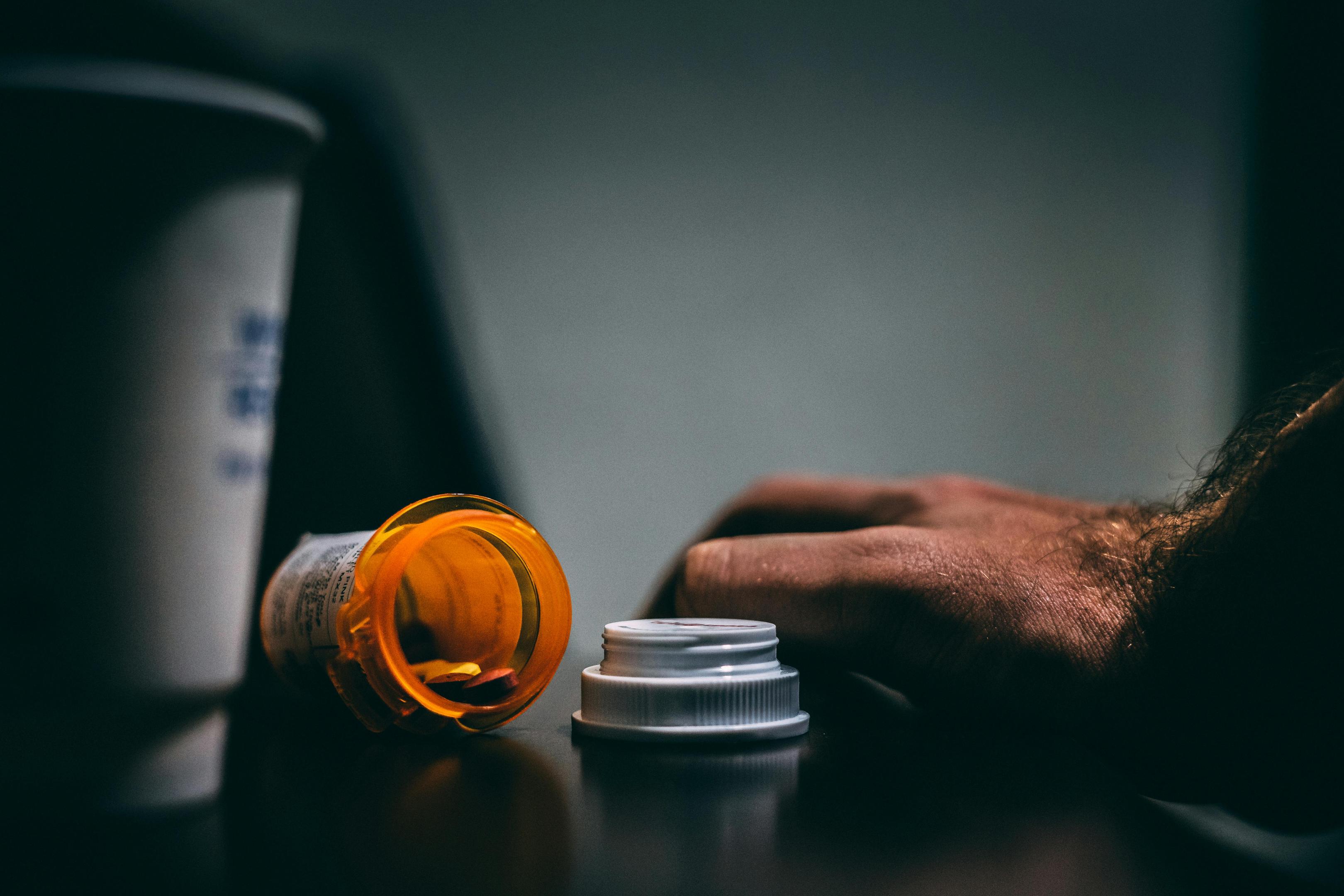
In 2023, more than seven New Jersey residents died of an overdose every day. Considering those statistics, state treatment plans should be equipped to handle various substance use disorders with a combination of MAT and therapy.
They should also offer:
DMHAS Licensing
All legitimate addiction treatment programs operating in New Jersey should hold DMHAS licensing, which can be verified in the DHMAS directory, If a facility can’t confirm its licensing ot isn’t listed, it’s a huge red flag.
Insurance and Financial Assistance
New Jersey’s Mental Health Parity Law requires insurance providers to cover substance abuse and mental health care at the same levels as they would surgical and medical care. This means NJ insurance plans cannot impose stricter limits on rehab than they do on other medical services. Ensure your legal rights are protected by calling your insurance company in advance to confirm your benefits before enrolling in a drug rehab program, or by contacting the treatment facility itself for insurance verification.
Logistics & Environment
While some like to stay close to home, others benefit from intensive outpatient treatment that removes them from everyday triggers. New Jersey offers a dense landscape of both urban and rural communities with proximity to New York, Pennsylvania, and other states, making it ideal for various treatment approaches.
However, the specific location of the facility matters, wheter that means it’s near home or in a relaxing, rural setting. Addionally, given that city life is never far away, a structured and controlled environment is imperative.
BlueCrest Detox Supports Your Recovery Journey
New Jersey offers various rehab treatment options, but BlueCrest stands out for comprehensive knowledge of the addiction landscape, based on firsthand experience, and our commitment to helping clients get the care they need, despite financial barries. We also offer comprehensive outpatient services, including ongoing treatment, to ensure long-term recovery. Our evidence-based approaches contribute to high success rates.
Contact us to learn more about our recovery center and support services.
FAQs
What should I ask when calling rehab facilities?
When calling rehab facilities about treatment in New Jersey, you should ask if they are licensed by the DMHAS and accredited by the Joint Commission or CARF. Find out what evidence-based modalities they use and ensure they integrate evidence-based treatments. Ask about the insurance they accept.
What happens if I relapse after completing the program?
Relapse is common and should be seen as part of the recovery process. A quality program will integrate relapse prevention strategies from the start. It will teach you how to regain sobriety, whether that means seeking support at home or re-entering a treatment program.
How long does rehab last?
Rehab typically lasts 30 to 90 days, although timelines vary depending on the severity of the addiction and mental health issues. However, recovery is a lifelong process. After the initial stages of care are complete, programs usually provide aftercare support, including group therapy and alumni services.