
The road to addiction recovery is long, and patients must take it one step at a time. The initial stage, detox, is one of the most difficult to get through. But once patients pass this milestone, they will overcome withdrawal, providing a pathway to focus on other aspects of their substance use disorder.
This article will focus on the importance of detox in addiction recovery and reveal how it sets the stage for long-term sobriety.
What is Detox?
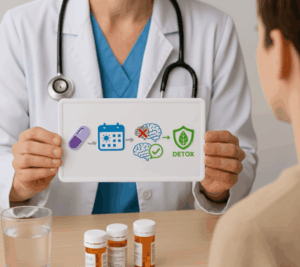
Addiction is a mental and physical disorder. Many people use drugs to relieve mental health symptoms, like anxiety and depression. However, over time, the drugs rewire their systems, making it difficult to function without them.
At this stage, they become physically addicted to the drug. Without it, they may experience unwanted symptoms like nausea, vomiting, headaches, tremors, irritability, etc.
Detox focuses on breaking this physical addiction. A provider supervises the patient throughout detox, ensuring they don’t relapse. They may also provide medication to relieve cravings and aid with withdrawal management.
This early stage of detox typically lasts 7-10 days, although symptoms will gradually fade. Once this stage is over, the patient will focus on the mental aspects of their addiction with therapy that addresses disorders that contribute to substance abuse.
What Does Early Detox Involve?
- Comprehensive Intake: Providers will begin by assessing the patient, learning about their medical history, and collecting tox screens to detect the presence and levels of drugs in the person’s system. They may also ask questions to assess mental health.
- Monitoring: The patient will undergo vital monitoring, helping to manage potentially life-threatening symptoms like rapid heart rate, seizures, and dehydration. The provider will also ensure they don’t relapse.
- Medically Assisted Treatment (MAT): Medications are often used in early detox to reduce symptoms and cravings.
Inpatient vs. Outpatient Care
Early detox can take place in an inpatient or outpatient setting as follows:
- Inpatient: The patient is monitored throughout detox, providing optimal symptom management and ensuring relapse doesn’t occur.
- Outpatient: Involves stopping into the clinic for sobriety check-ins and medication administration.
Although outpatient programs have lower completion rates than inpatient programs (51.9% vs. 64.5%), inpatient programs are not feasible for many people due to expenses, work, and caregiver duties. Therefore, outpatient is often a more popular choice.
How Does Early Detox Guide the Stage for Long-Term Recovery?
Early detox eliminates the patient’s physical addiction so they can focus on the mental aspects of healing. It also helps providers determine valuable information about their patients that can guide treatment, such as:
- Severity of Withdrawal: Providers can observe the severity of the patient’s symptoms to guide a personalized treatment plan. For example, the Clinical Opiate Withdrawal Scale rates common symptoms over time to assess a patient’s level of physical dependence. This approach helps them determine medical dosages and the recommended length of treatment, and provides a baseline for tracking progress.
- Biomedical Conditions: Patients may develop biomedical conditions during withdrawal, such as rapid heart rate, tremors, seizures, organ dysfunction, and psychiatric symptoms. These indicate the patient’s past and current medical conditions and should be considered in treatment planning.
- Psychological and Emotional State: Patients often experience irritability, mood swings, and anxiety during withdrawal, which are indicative of their general mental state. It can help providers identify co-occurring disorders and the best therapy techniques.
- Readiness to Change: The patient’s likelihood of relapse can indicate a readiness for change. For example, if the patient attempts to use drugs to relieve symptoms, they may require more intensive rehab. Those who are reluctant to use drugs will be better prepared for recovery.
- Patterns of Use: During the initial evaluation, providers assess the frequency, amount, and duration of substance use to plan treatment accordingly.
What Happens After Early-Stage Detox?
Providers use the information gathered during detox to determine the best course of treatment. The following stages can be categorized as follows:
Stage 2: Intensive recovery:
The patient will undergo regular treatment for 30-90 days. While the approach can vary, ideally, they will attend therapy sessions daily, which may take place in group and one-on-one settings. Common approaches include:
- Cognitive Behavioral Therapy (CBT): The patient learns to process negative thoughts in a healthy way to avoid dangerous behaviors.
- Dialectical Behavior Therapy (DBT): Teaches patients coping strategies to manage intense emotions.
- Motivational Interviewing (MI): Therapists work with patients to enhance their motivation for change.
- Trauma-Informed Therapy: Helps patients deal with trauma, which may have contributed to drug use. It often involves processing emotions related to trauma in a safe space.
- Family Therapy: Families are often included in counseling sessions so they can determine how to create a healthy environment to support their loved one’s sobriety.
- Group Therapy: Patients gain support from peers and learn from those who may have had similar experiences.
Stage 2 can take place in an inpatient or outpatient setting, depending on the patient’s needs.
Stage 3: Ongoing Care:
This stage is often a lifelong process as patients integrate lifestyle changes to maintain sobriety. Many will continue to attend therapy sessions once a week or as needed. Providers will also recommend techniques that support healthy living, which may include:
- Healthy Diet and Exercise: A healthy diet and exercise routine can reduce stress, boost self-esteem, and make patients more accountable for their health, thereby reducing their likelihood of using toxic substances. It also establishes beneficial habits to replace damaging ones.
- Experiential Therapies: Patients are encouraged to engage in art or music therapy or outdoor activities so they can process their emotions and reduce boredom that breeds addiction.
- Holistic Therapies: Therapists may recommend that patients engage in massage therapy, acupuncture, yoga, deep breathing, meditation, and mindfulness to equip them better to handle stress.
Benefits of Combined Early State Detox and Long-Term Care
There are no hard-and-fast rules about how recovery takes place. Some patients detox independently, without medical help, and others only participate in certain aspects of the program. However, a comprehensive approach that includes professional oversight has been proven to yield the best results.
Here are some statistics to consider.
- A 2019 PMC study reveals that people who engaged in alcohol detox followed by specialist care experienced high sobriety rates of 68.1% after three months and 44.7% after six months. Those who were admitted quickly and engaged in early follow-up had the highest long-term abstinence rates.
- An NIH review found that patients who followed the recommended SAMHSA protocols achieved better remission outcomes and required less care throughout recovery.
- An Office of National Control Policy Fact Sheet revealed that early interventions, such as brief motivational sessions and prompt care recommendations, lead to higher abstinence rates for heroin and cocaine users and reduced costs.
- A Recovery Research Institute Peer-Reviewed Article shows that the probability of successful detox decreases with each attempt, and only 20.2% of 627,687 early detox treatments were followed by MAT programs. However, those who followed the recommended progression saw higher success rates.
Start Your Journey at BlueCrest Detox
BlueCrest Detox is an excellent place to start your recovery journey. We begin with early-stage inpatient detox, providing 24/7 assisted care. Our team continues to offer support with individualized treatment plans that support long-term sobriety goals.
Contact us when you’re ready to break the chains of addiction and achieve a higher quality of life.
FAQs
How long does detox last by substance?
The timeline for detox by substance is as follows:
- Alcohol: 5-7 days
- Opioids: 5-10 days
- Benzodiazepines: Several weeks
- Stimulants: 3-5 days
- Polysubstance: Varies, often longer
However, timelines vary by the severity of the addiction and other factors.
Is detox painful?
Some may describe detox as painful, but uncomfortable may be a better adjective. Depending on the substance, patients may experience mood changes, tremors, sweating, nausea, hypersensitivity, seizures, headaches, hallucinations, insomnia, chills, and fever.
Can I work during outpatient detox?
Yes, you can work during outpatient detox. Treatments and check-ins can be planned around your work schedule.
What if I relapse after detox?
Relapse after detox happens. The important thing is to continue treatment as soon as possible. Talk to your provider about what went wrong and determine the best way to address those issues.
How soon can I start medication-assisted treatment?
Medication-assisted treatment typically starts right away. It is often integrated during detox as soon as symptoms appear. Providers may recommend continued use depending on the nature of the addiction.
What’s Next?
Take the first step toward healing today. Get in touch with our intake team to arrange a consultation and find out more.