
It’s not easy to admit you need detox. People often normalize or deny their situations, perhaps out of fear of the recovery process. But there are signs you need detox that you shouldn’t ignore.
The BlueCrest team has been there. We have experienced denial and normalization, and we know how dangerous it can be.
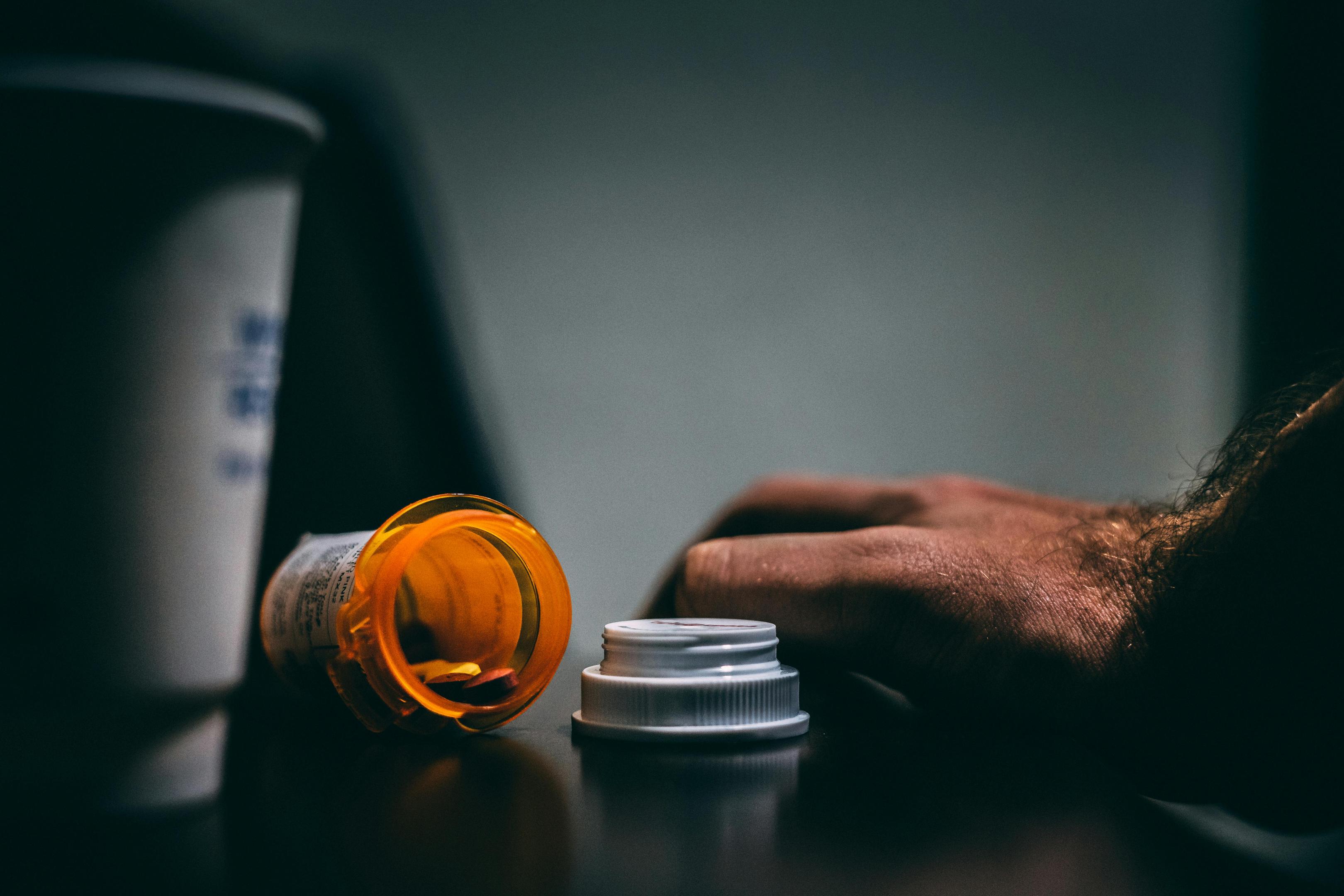
Ignoring signs of addiction can lead to worsening mental and physical health. It can interfere with personal and professional relationships and lead you on a downward spiral. The sooner you get help, the better.
Our compassionate staff is here to find you the care you require, even if that means navigating financial barriers. But it starts with you admitting you need help. Here are some warning signs to look out for.
What is Detox and How Does It Differ From Withdrawal?
Detox is the process of drying out and getting clean. It is often the first step of recovery. During detox, you will experience withdrawal symptoms, but it is not the same.
Withdrawal occurs as your body adjusts to operating without drugs or alcohol active in its system. It can be a part of detox, or it can just happen hours after your last use.
The difference is the way you deal with it. If you get professional help, withdrawal can be part of the detox process. Others may choose to do drugs again, putting themselves in a vicious cycle of using and withdrawal.
Signs You Need Detox
According to SAMHSA 2024 research, of the 52.6 million people who need substance abuse treatment, only 1 in 5 receive it. Recognizing the signs you need detox can make you more likely to get the care you require.
These signs can be physical, psychological, behavioral, or social. Here are some to look out for.
Physical Symptoms
- Inability to stop or cut down despite wanting to
- Increased tolerance to substances, requiring more to feel the same effects, is a sign that detox may be necessary.
- Withdrawal symptoms- Physical symptoms of withdrawal, such as sweating, shaking, and nausea, indicate a need for medical detox.
- Neglecting self-care, such as sleep and hygiene habits
Psychological & Behavioral Signs
- Preoccupation with obtaining and using the substance
- Mood swings, irritability, and anxiety
- Withdrawing from relationships, responsibilities, and activities
- Risky behavior: Engaging in dangerous behaviors while using substances is a clear sign that detox is necessary.
- Failed attempts to quit on your own
Social & Functional Signs
- Job loss, financial problems, legal issues
- Relationship breakdown due to substance use
- Lying or hiding habits from others
Common Withdrawal Symptoms
Detox symptoms vary depending on the type of addiction. This section will break it down, so you know what to expect.
- Alcohol: Tremors, seizures, delirium tremens, anxiety, elevated heart rate
- Opioids: Flu-like symptoms, muscle pain, insomnia, digestive issues, intense cravings
- Benzodiazepines: Rebound anxiety, panic, seizures
- Stimulants: Crash fatigue, depression, hypersomnia, cravings
- Cannabis: Irritability, difficulty sleeping, appetite loss, mood swings
Benzo and alcohol detox are especially precarious because health complications like seizures, elevated heart rate, and delirium tremens can be life-threatening. A medication-assisted, tapered approach is typically utilized to keep severe symptoms under control.
Detoxing from other substance use disorders is typically safer, but there’s always a risk. Mood swings can lead to suicidal ideation.
Additionally, people may not realize their tolerance has plummeted with detox, leading to a higher risk of overdose if relapse occurs. Therefore, a supervised approach is typically recommended.
Withdrawal Symptoms At a Glance
| Substance | Common Symptoms | Onset | Peak | Life-Threatening Risk |
| Alcohol | Tremors, sweating, nausea, anxiety, seizures, hallucinations, and delirium tremens | 6-24 hours | 24-72 hours | Yes, seizures, DTs, cardiac arrhythmia |
| Benzodiazepines | Rebound anxiety, panic, insomnia, tremors, seizures | 12-48 hours | 2-4 days | Yes, seizures, respiratory failure |
| Opioids | Flu-like symptoms, muscle aches, vomiting, diarrhea, insomnia, intense cravings | 1-3 hours | 36-72 hours | Rarely direct- high overdose risk with relapse |
| Stimulants | Crash fatigue, depression, hypersomnia, increased appetite, cravings | 1-3 hours | 1-3 days | Rare, cardiac risk with heavy use |
| Cannabis | Irritability, sleep disruption, anxiety, appetite loss, mood disturbance | 24-72 hours | 2-6 days | No |
| Methamphetamine | Severe depression, fatigue, brain fog, paranoia, intense cravings | 24 hours | 7-10 days | Rare- psychiatric risk (psychosis) |
What Does the Detox Process Entail?
Drug and alcohol detox typically requires the following approach:
- Medical Detox: BlueCrest uses medications to help control cravings and manage symptoms.
- Vital Sign Monitoring: This can be especially useful when detoxing from alcohol or benzos. It detects common symptoms of life-threatening conditions so they can be addressed before they escalate.
- Ongoing Supervision: Medical professionals supervise the client to ensure optimal comfort and prevent relapse.
Beyond the Detoxification Process

2025 SAMHSA research indicates that 34.5% of the 61.5 million adults with a substance use disorder also have a mental health condition. Therapy is often necessary in recovery.
Once the initial stages of the detox program are complete and physical dependence is addressed, clients move on to therapy, targeting the underlying cause of addiction. Evidence-based approaches are used to identify and treat mental health conditions that may have contributed to dependency issues. Clients are taught coping mechanisms so they can deal with their emotions without relying on drugs and alcohol.
After this stage of intensive therapy is complete, clients continue with an aftercare program that includes ongoing, flexible counseling and group sessions, as well as recommendations for healthy living.
Is Home Drug Detox Possible?
While medical supervision during detox requires professional help, it is possible to detox at home if your symptoms are manageable and you have a supportive environment. In these instances, you can take a holistic approach by using mindfulness, physical activity, peer support, nutrition, and hygiene for optimal results. However, it is best to seek detox treatment if:
- You have tried to recover before with no success
- You are dealing with mental health conditions
- You are recovering from polysubstance abuse (which could complicate the detoxification process)
- You are experiencing severe symptoms
- You are detoxing from benzos or alcohol, which carry a risk of complications
BlueCrest Detox Offers Support Through the Recovery Process
BlueCrest Detox offers a specialized program for individuals in the early stages of recovery. Our compassionate team provides a unique approach because we have experienced addiction firsthand and understand exactly what clients are going through. We offer optimal support throughout the journey and continue to provide extensive therapy and aftercare that address the physical, mental, and spiritual aspects of treatment.
Contact us when you’re ready to move on to better health and a higher quality of life.
FAQs
How long does detox typically take?
Peak symptoms typically subside after three days and are mostly gone after a week. Some may experience light symptoms for two weeks to a month after the last use. PAWS may occur in some people, with symptoms lasting for months or even a year, which is more likely with heavy use.
How do I know if I’m physically dependent or just a heavy user?
According to the fifth edition of the Diagnostic and Statistical Manual of Mental Disorders (DSM-5), substance use crosses the line into addiction when behavioral symptoms appear. These occur when you are unable to control your habits, despite wanting to stop. However, it is best to address dependency early on, before it gets out of control.
Can addiction be treated naturally?
Diet, exercise, and mindful habits can assist with the detox process. Some can successfully achieve remission through this holistic approach. However, if you are dealing with serious, life-threatening symptoms, medical supervision may be necessary.